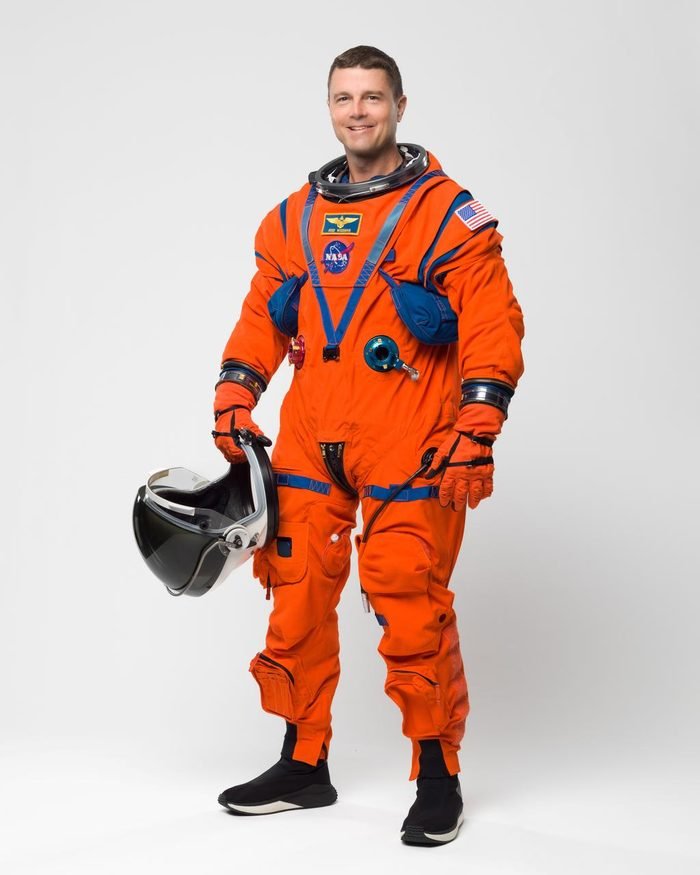
Commander
Reid Wiseman
NASA
NASA / Robert Markowitz
 NASA / Michael DeMocker
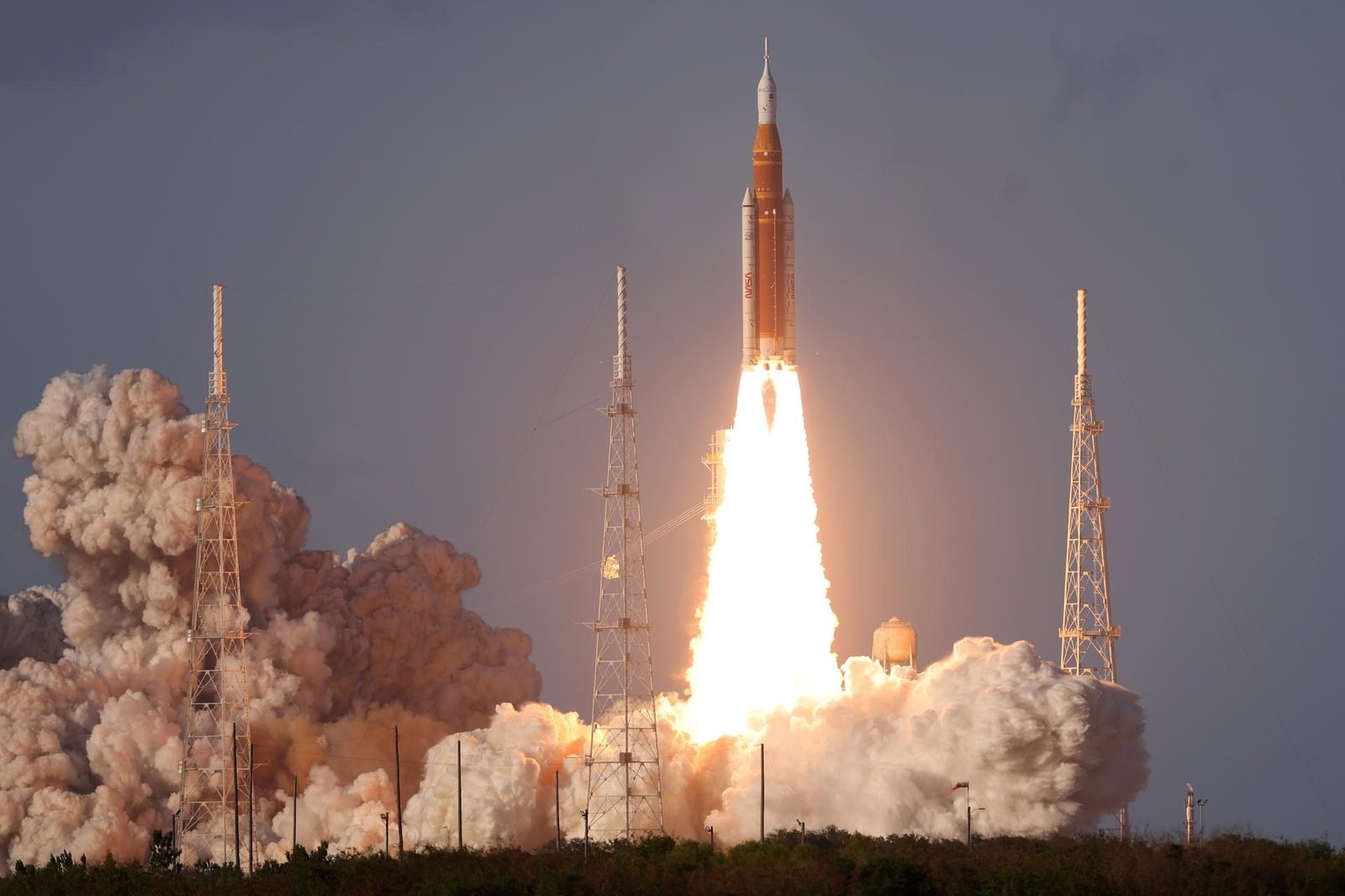
First crewed Artemis flight
Artemis II carried four astronauts aboard Orion on a nearly 10-day journey around the Moon and back — the first crewed test of NASA’s deep-space Artemis systems.
Artemis II was NASA’s first crewed test of the Space Launch System and Orion in lunar space. Building on uncrewed Artemis I, the crew validated life support, navigation, communications, manual piloting, emergency procedures, and recovery — clearing the path for Artemis III surface missions.
Crew
Commander Reid Wiseman, Pilot Victor Glover, and Mission Specialists Christina Hammock Koch (NASA) and Jeremy Hansen (CSA).
Commander
NASA
NASA / Robert Markowitz
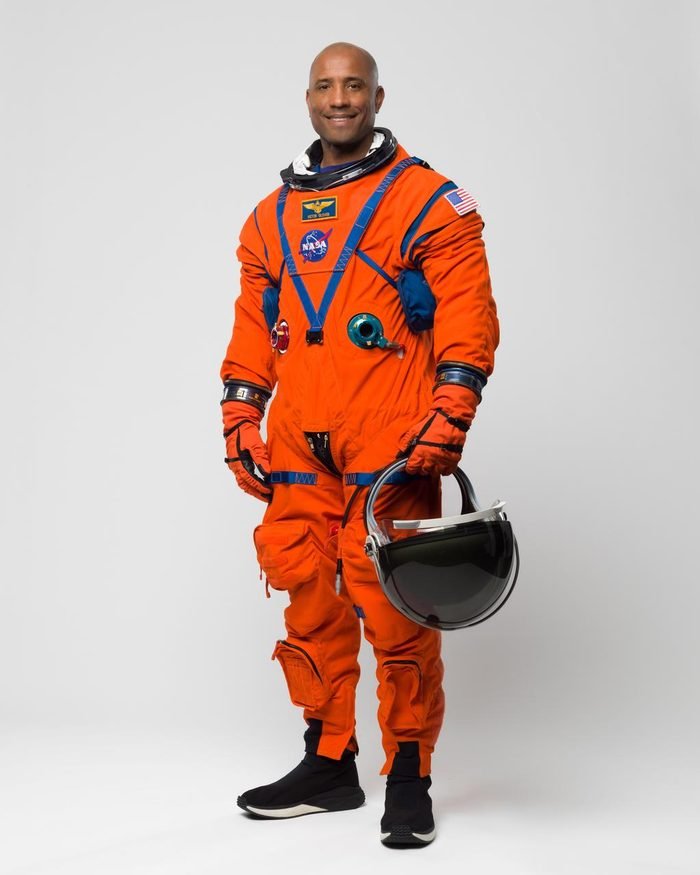
Pilot
NASA
NASA / Robert Markowitz
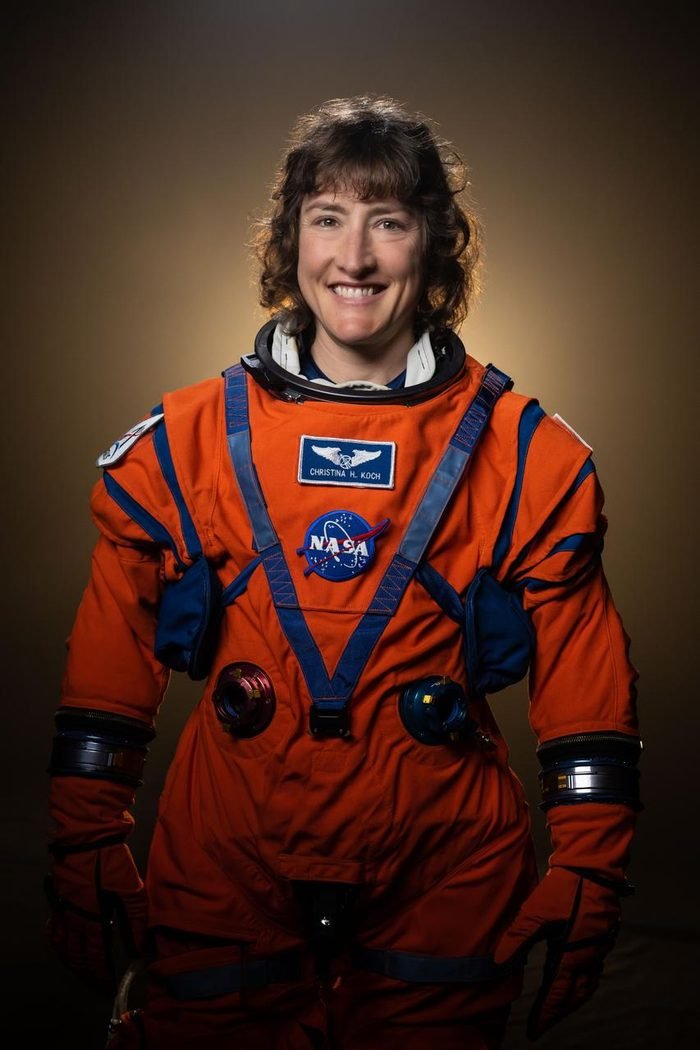
Mission Specialist
NASA
NASA / Robert Markowitz
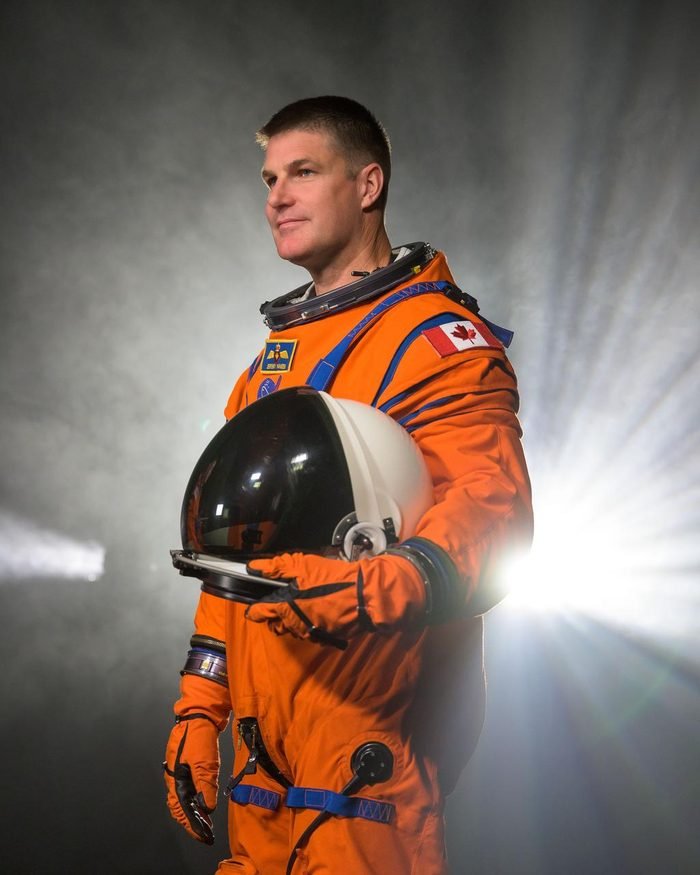
Mission Specialist
CSA (Canadian Space Agency)
NASA / Riley McClenaghan
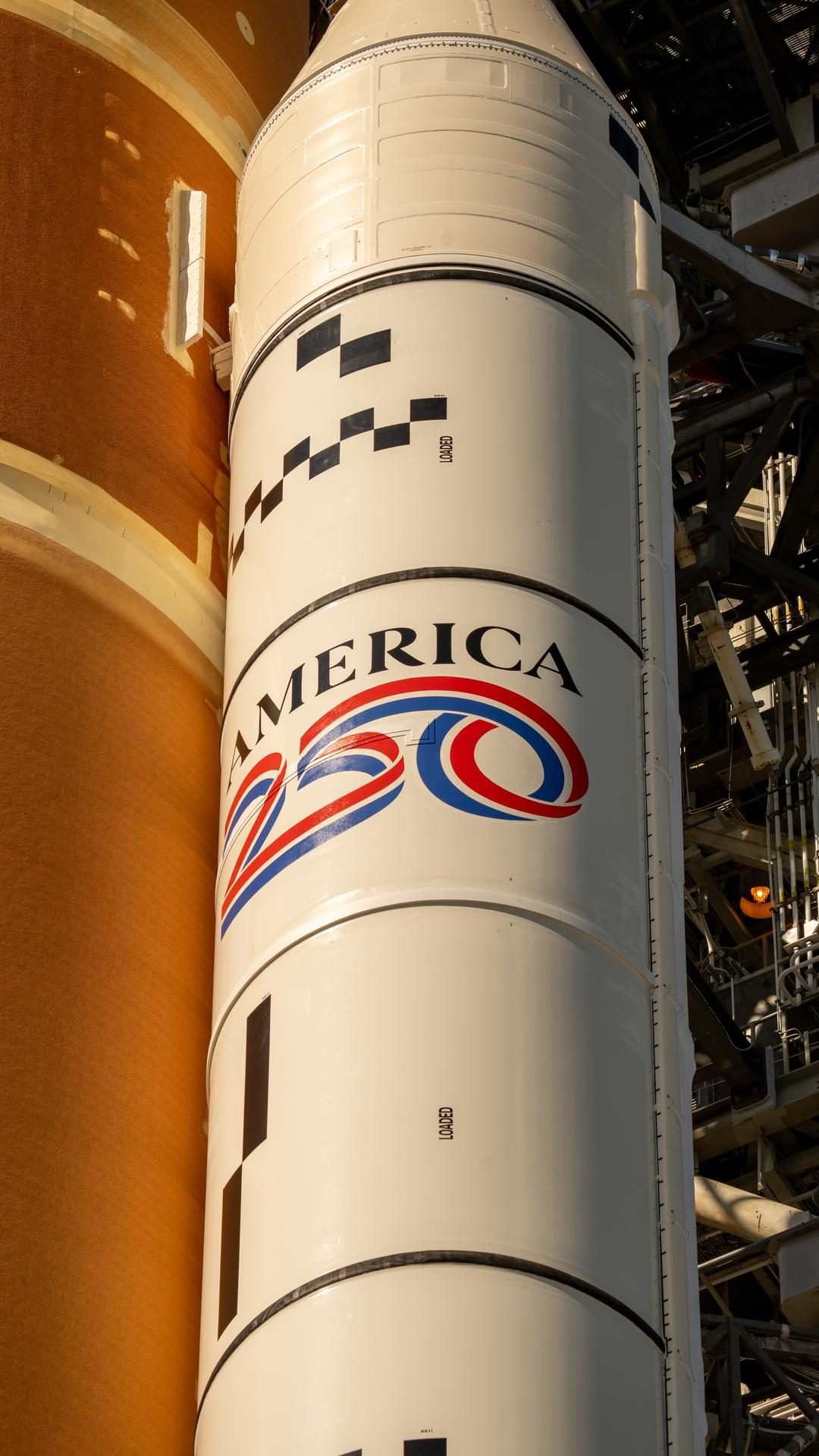
Timeline
Launch, Earth checkout orbits, translunar injection, lunar flyby, and Pacific recovery — a compact deep-space shakedown cruise.
NASA / Brandon Hancock
Explore the mission timeline →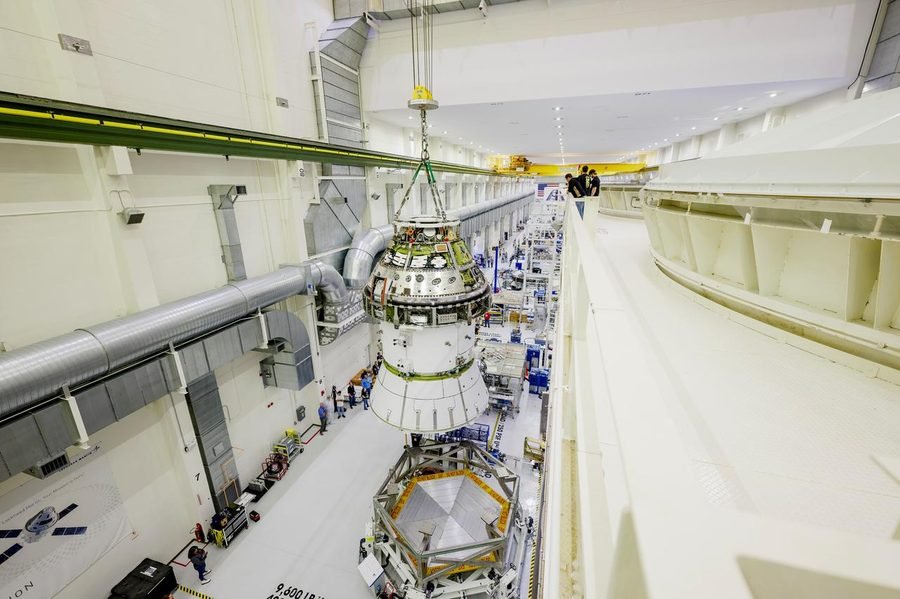
Vehicles
The heavy-lift rocket that can send Orion toward the Moon in a single launch, and the crew vehicle built to sustain astronauts in deep space and return them through Earth’s atmosphere.
NASA
Spacecraft overview →Family & kids
Science-museum style activities — no screens required. Soft partner slots for future LEGO / STEM kits live below.
Sketch the crew module and European Service Module. Label the windows, heat shield, and solar arrays. Compare your drawing with NASA gallery photos.
Build any rocket or lunar scene you have at home. Talk about thrust, stages, and why Artemis II tested systems with crew before landing missions.
Find the Moon. Note its phase. Ask: what did the crew see during the far-side flyby? Look with your own eyes first; then, if you like, check a sky chart or app.
Future LEGO and STEM learning partners will appear in the labeled “Our partners” section — never as fake NASA endorsements.
Our partners
Placeholder affiliate slots. Live partner links will be labeled and disclosed. No banners above the fold.